
Sustainable Building Practices in Ontario: A Guide for Eco-Conscious Construction


Understanding Sustainable Building Practices
Ontario is paving the way for a greener tomorrow with its commitment to sustainable building practices. As more individuals and companies become aware of their environmental impact, eco-conscious construction has become a vital part of the building industry. Understanding the principles of sustainable building can help you make informed decisions, whether you're a homeowner, builder, or developer.
Key Principles of Sustainable Construction
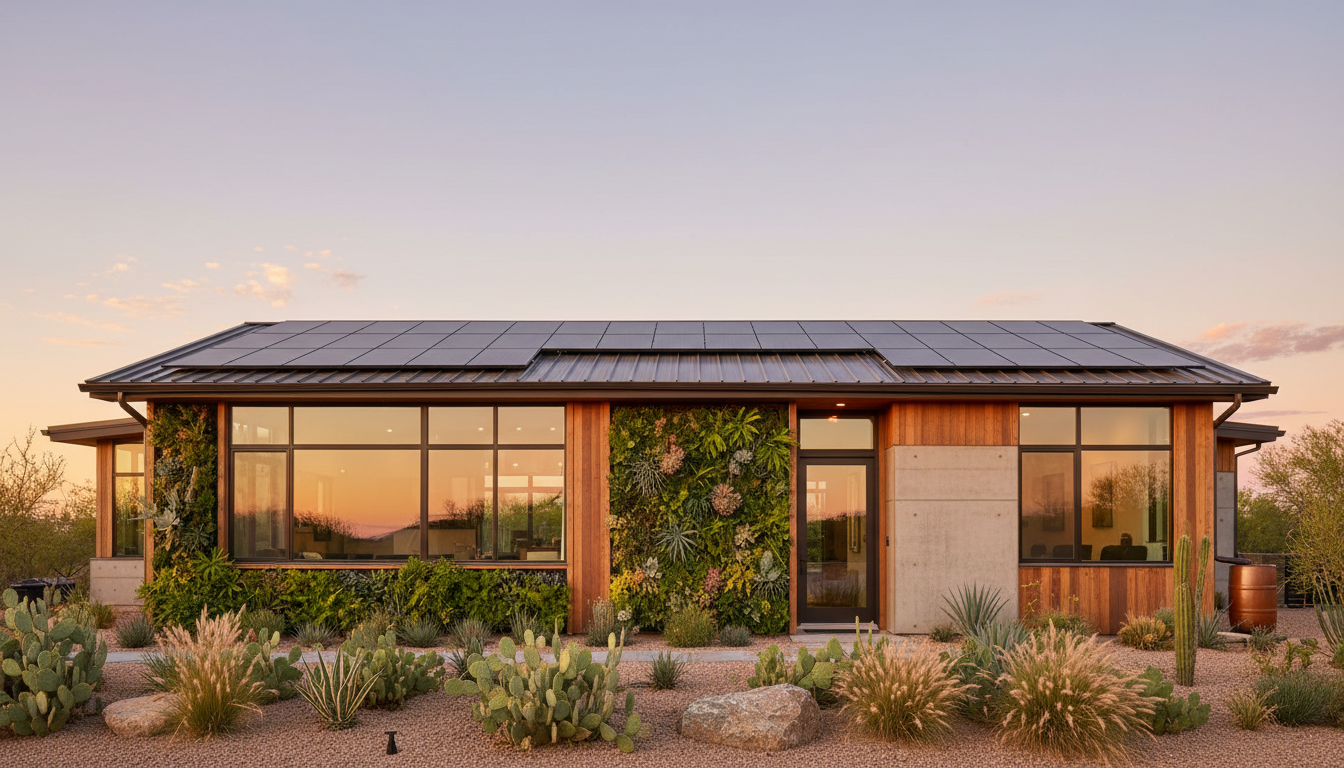
Sustainable building practices emphasize minimizing waste, reducing energy consumption, and using environmentally friendly materials. By focusing on these principles, construction projects can significantly lower their carbon footprint. Here's a closer look at these key principles:
- Energy Efficiency: Implementing energy-efficient systems and designs to reduce consumption.
- Resource Management: Using recycled and sustainable materials to minimize waste.
- Water Conservation: Incorporating systems to reduce water usage and waste.
The Role of Green Building Certifications
Green building certifications, such as LEED (Leadership in Energy and Environmental Design), play a crucial role in promoting sustainable construction. These certifications provide a framework for builders to follow, ensuring that projects meet specific environmental standards. Achieving a green building certification can also increase the value of a property and appeal to eco-conscious buyers.
Benefits of Sustainable Building Practices
Adopting sustainable building practices offers numerous benefits. Not only do these practices contribute to environmental conservation, but they also lead to economic advantages. Sustainable buildings often have lower operating costs due to energy savings and require less maintenance. Additionally, they can provide healthier living environments for occupants, with better air quality and natural lighting.
Government Support and Incentives
The Ontario government supports sustainable building through various incentives and programs. These initiatives encourage builders and developers to adopt eco-friendly practices by offering financial benefits and resources. By taking advantage of these incentives, construction projects can become more cost-effective while contributing to a greener future.
Challenges in Sustainable Construction
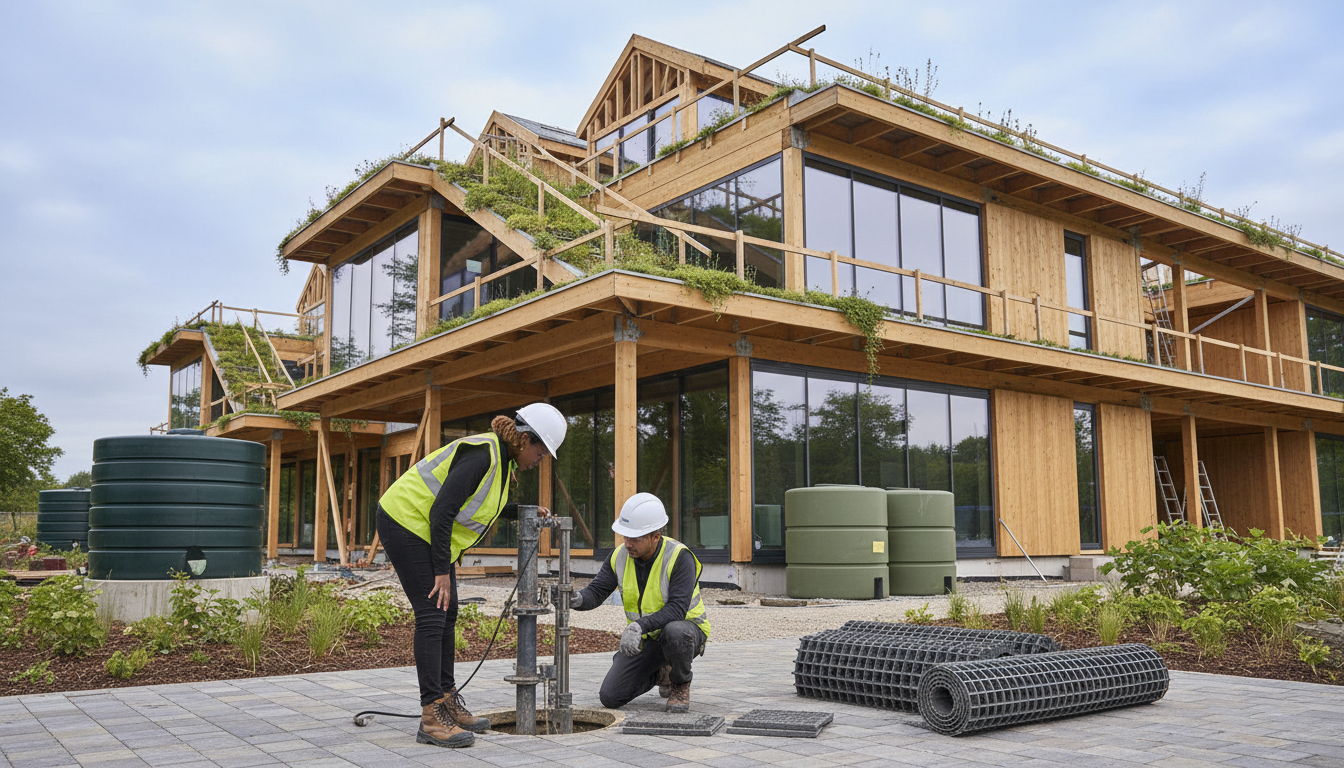
While the benefits are clear, sustainable construction does come with its challenges. Initial costs can be higher due to the need for specialized materials and systems. Additionally, there may be a learning curve as builders adapt to new methods and technologies. However, the long-term savings and environmental impact often outweigh these challenges.
Future Trends in Eco-Conscious Building
The future of construction in Ontario is leaning towards even more innovative and sustainable practices. Emerging trends include the use of smart building technologies, increased reliance on renewable energy sources, and the integration of biophilic design elements. These advancements are set to further reduce the environmental impact of construction and improve the quality of life for building occupants.
In conclusion, sustainable building practices in Ontario offer a path towards a more environmentally friendly and economically viable future. By embracing these practices, we can ensure a healthier planet for generations to come.